
The Voynich Manuscript: The Book No One Can Read (UF-016)
$ 5.90
A focused investigation into manuscript mysteries that appear impossible, yet are grounded in natural science.
05:27 runtime • Digital Audio • Historical Mysteries / Cryptography / Manuscripts
The Voynich Manuscript remains one of history’s most enduring document mysteries — a real 15th-century book written in a script no one has ever convincingly decoded.
Discovered in 1912 by rare book dealer Wilfrid Voynich, the manuscript emerged from a collection of old texts near Rome, already carrying the weight of centuries of silence.
Radiocarbon dating places it in the early 1400s, and the parchment, ink, and materials are genuine. This is not a modern fake, but a real object from history that still resists explanation.
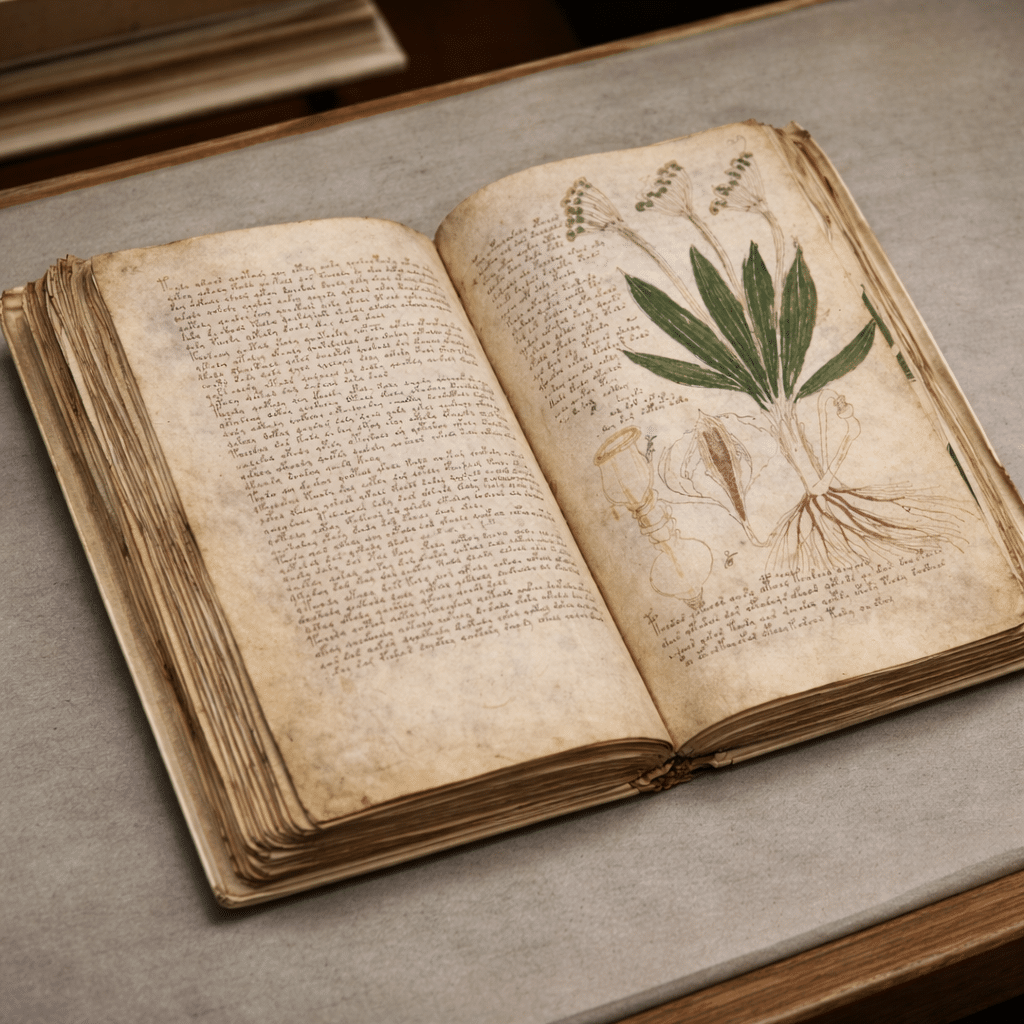
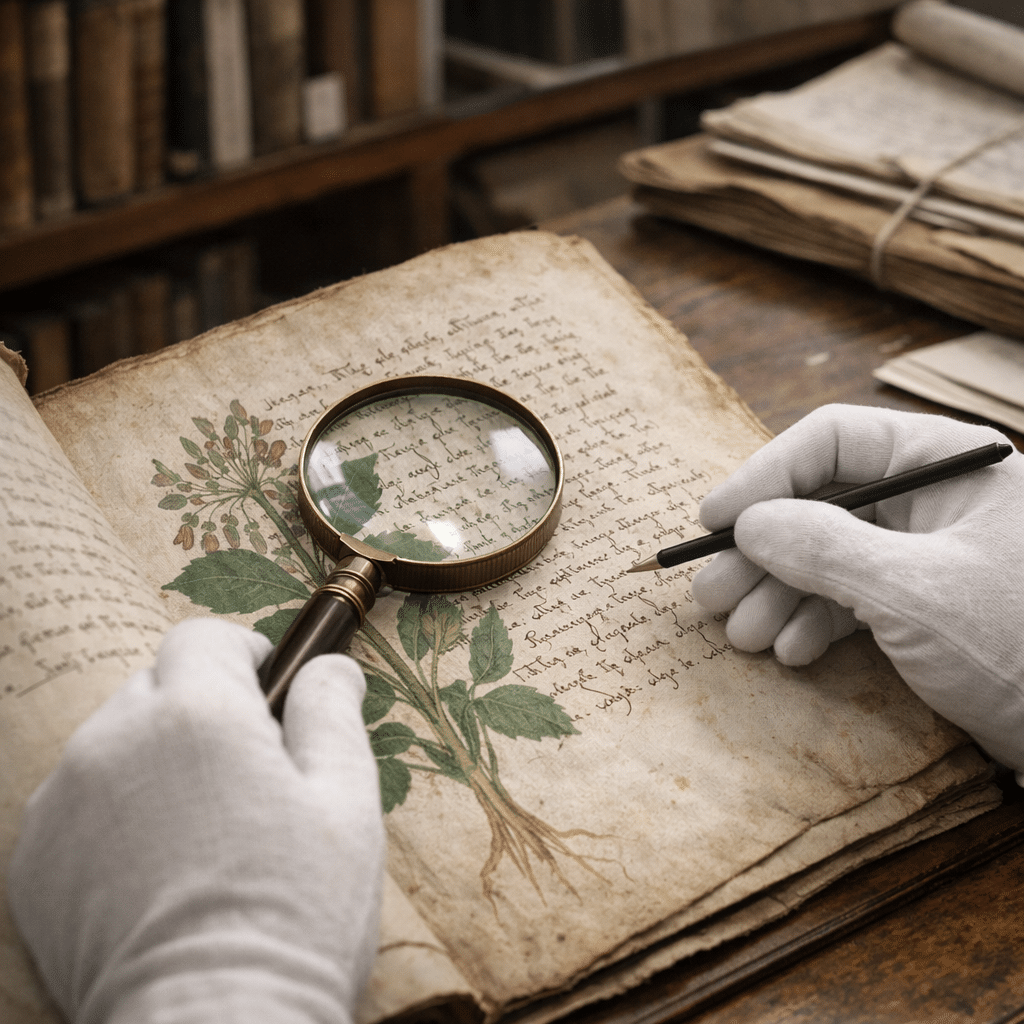
Its pages are filled with flowing text, strange botanical drawings, astronomical diagrams, and unusual biological scenes. The illustrations appear deliberate, yet many of the plants and symbols cannot be identified with certainty.
The writing itself behaves statistically like real language. Patterns repeat, structures hold, and the manuscript shows the kind of internal consistency that suggests order rather than randomness.
Over the years, cryptographers, linguists, historians, and modern computing systems have all been brought to the problem. Even experienced wartime codebreakers failed to produce a confirmed translation.
Mainstream researchers tend to remain cautious. Some believe it may be a constructed language, a cipher, or a complex attempt to obscure meaning rather than present it openly.
Others have argued it could be a medieval intellectual experiment, or even a hoax. But the sheer consistency and effort visible across the manuscript make the hoax theory difficult to dismiss cleanly or accept comfortably.
Alternative interpretations push further. Some see hidden botanical, astronomical, or alchemical knowledge in its pages, while others wonder whether it reflects a lost culture or an unfamiliar way of structuring thought.
Mainstream academia rejects extraordinary conclusions because there is no direct evidence to support them. No confirmed translation exists, and no verified origin has been established beyond the manuscript’s age and materials.
And yet the mystery remains. The Voynich Manuscript still sits in the Beinecke Rare Book & Manuscript Library, digitised and open to study, while continuing to say nothing with certainty.
Perhaps that is what makes it so compelling. It looks like a book that should speak clearly, but instead leaves us facing the possibility that the limit may not be the text — but our ability to understand it.
This recording is presented as a clean, uninterrupted studio narration designed for focused listening and offline playback.
Format: Digital audio file (M4A)
Delivery: Instant download after purchase
Edition: Official Audio Edition — Unknown Files Investigation
Explore more investigations on the Episodes page.
Browse the full series in the Unknown Files collection.
For historical and manuscript research context, refer to resources from the Beinecke Rare Book & Manuscript Library and the British Library.


